
SMP FAQ: Everything You Need to Know About Scalp Micropigmentation
✍️ Introduction:
Our SMP treatment FAQ answers the most common questions people ask before booking Scalp Micropigmentation. From how it works to how long it lasts, this guide answers the most common SMP questions so you can feel confident before booking your first session.
Whether you’re looking to restore a receded hairline, cover thinning patches, or just want to know if SMP is right for you — we’ve got you covered.
❓ Frequently Asked Questions
1. What is SMP?
SMP stands for Scalp Micropigmentation — a non-surgical hair loss solution where tiny pigment dots are applied to your scalp to mimic the look of natural hair follicles.
In short, it gives the appearance of a fuller head of hair or a freshly shaved style.
2. How long does SMP last?
SMP typically lasts 4–6 years before a top-up is needed.
However, results can fade sooner depending on factors like skin type, sun exposure, and lifestyle habits.
With proper aftercare, you can keep your SMP looking fresh for years.
3. Is SMP suitable for women?
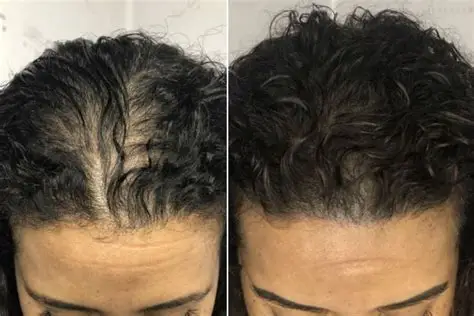
Yes! Many of our female clients use SMP to restore density around the parting or crown area, especially for conditions like alopecia or hormonal hair thinning.
4. Is SMP painful?
This SMP treatment FAQ also covers concerns about pain. Most clients describe the sensation as light scratching or mild discomfort.
To help with this, we can apply a high-quality numbing cream before and during your session.
As a result, the majority of our clients find it very tolerable
5. What’s the aftercare like?
Aftercare is a crucial part of your SMP journey.
For the first few days, you should avoid sweating, washing the scalp, or applying any products.
In addition, we provide a full SMP Aftercare Guide and products to help you heal and retain results.
6. What’s the difference between SMP and a hair transplant?
A hair transplant moves follicles from one part of the head to another. SMP doesn’t grow new hair — it creates the illusion of fuller hair. Many clients use both together for enhanced results.
7. How much does SMP cost?
Prices vary depending on how much coverage is needed. For example, a full head requires more time and work than just the hairline. Contact us for a consultation.
8. Can SMP be removed or corrected?
Yes. We offer laser removal for unwanted or botched SMP, as well as corrective sessions to blend old work.
9. How many sessions do I need?
Most clients need 3 sessions spaced 7–14 days apart. Each session builds upon the last, adding more detail and density for a natural result.
10. Who performs the treatment?
A certified SMP educator Ell performs all SMP treatments at our clinic.
In fact, our lead artist developed the Au-Natural Technique™ — known for producing the most realistic, natural-looking results.
We guide and support every client with expert care throughout the entire process.
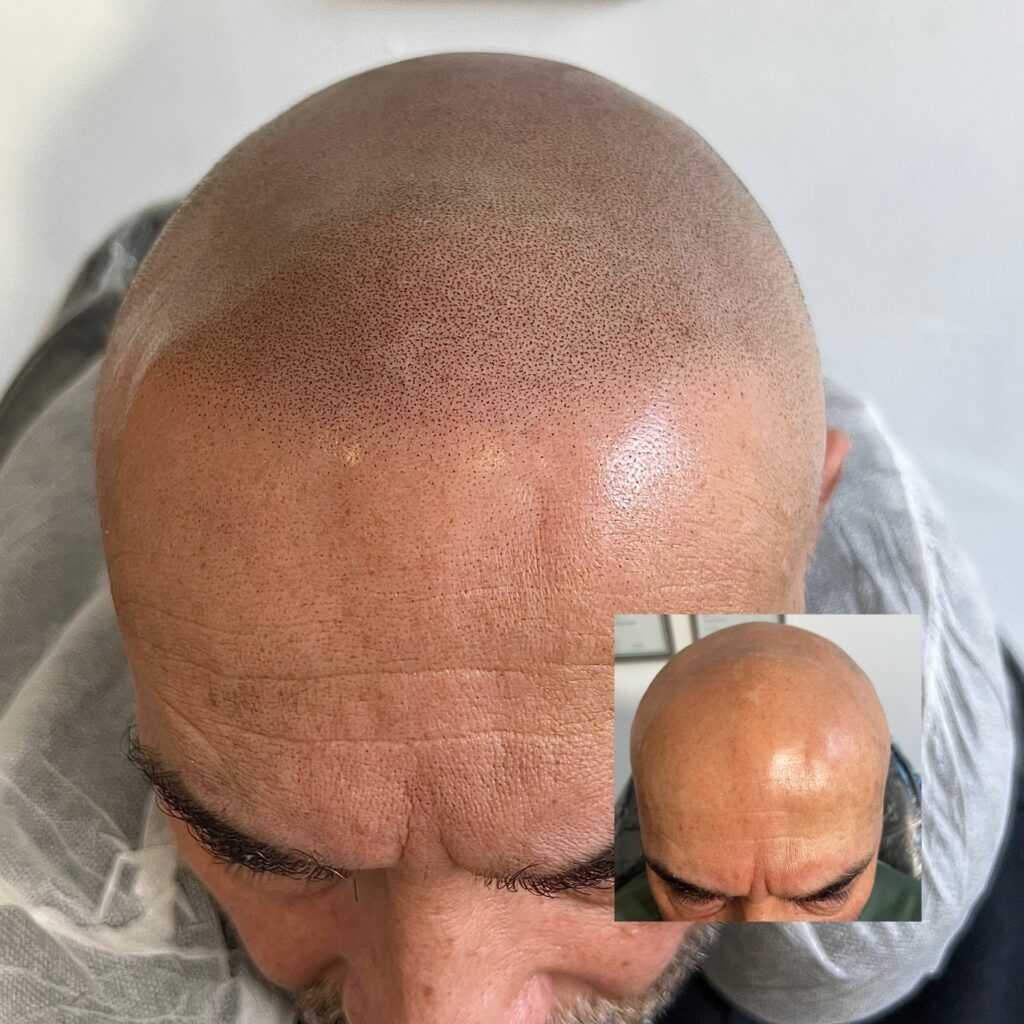
📸 Natural Hairline Results (Before & After)
Why? Shows what SMP really looks like — especially your Au-Natural Technique™
📸 SMP for Women – Density Fill ( Before and After)
Still have questions? Book a free consultation and we’ll give you personal answers beyond this SMP treatment FAQ.https://smp-clinic.com/contact/
Learn more about our Au-Natural SMP Technique™ https://smp-clinic.com/
SMP Aftercare Guide https://smp-clinic.com/smp-aftercare/
Contact us for a free consultation https://smp-clinic.com/contact/
What causes hair loss? https://www.nhs.uk/conditions/hair-loss/
More about alopecia support https://www.alopecia.org.uk/
A: Yes — bad SMP can be corrected with blending or, in severe cases, laser removal. At SMP-Clinic, we also specialise in SMP correction work.
A: Most clients describe SMP as mildly uncomfortable — like light scratching. It’s far less painful than a tattoo or hair transplant surgery.
A: Yes — when done by a trained professional using high-quality pigments and sterile tools, SMP is completely safe and non-invasive.
A: Not if it’s done properly. At SMP-Clinic, we specialise in the Au-Natural Technique™, which creates a seamless, natural look that’s virtually undetectable.
A: Most clients return to work the same or next day, as there’s no downtime. Just follow your aftercare instructions and avoid sweating or sun exposure for a few days.